What Happens If My Car Fails a Roadworthy Inspection in Victoria?
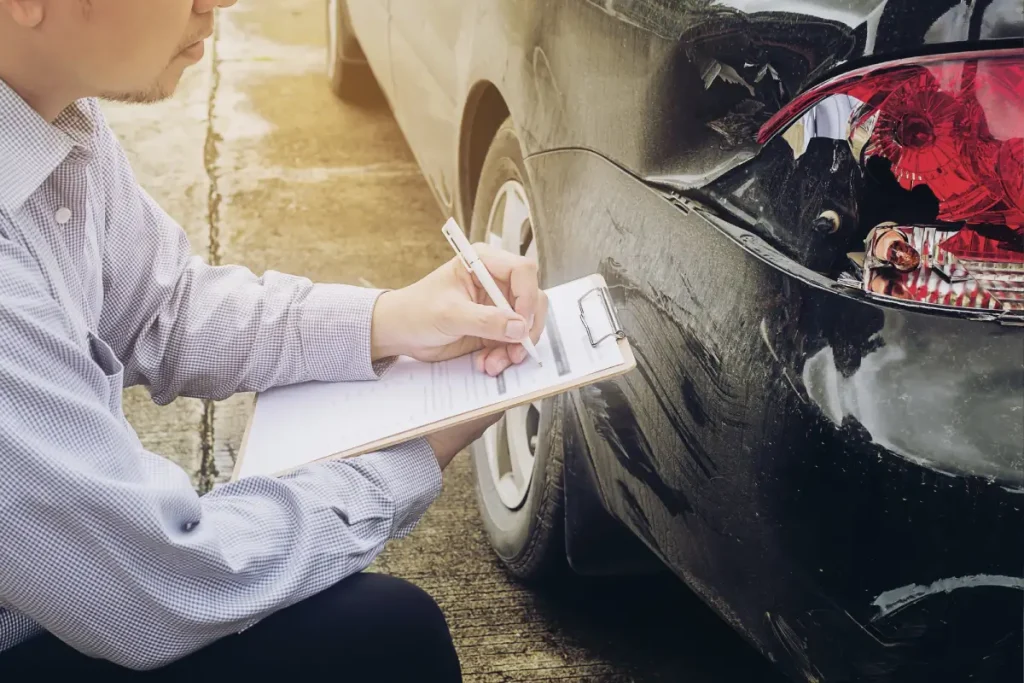
Failing a roadworthy inspection can feel frustrating, especially if you were expecting to pass. Many vehicle owners ask the same question: what happens if my car fails a roadworthy and what do they need to do next? The good news is that a failed inspection does not mean the end of the process. It simply means your car needs repairs before it can be legally driven, sold, or transferred.
A roadworthy inspection exists to protect drivers, passengers, and everyone else on the road. If your vehicle does not meet the minimum safety standards, the system is designed to give you time to fix the issues and return for a re-check.
Common Reasons Cars Fail a Roadworthy in Victoria
Most failures come from everyday wear and tear. These issues are often affordable to fix if caught early.
Some of the most common problems include:
- Worn brake pads or leaking brake fluid
- Tyres with tread below 1.5mm
- Faulty lights or indicators
- Cracked windscreens in the driver’s view
- Damaged seatbelts
- Exhaust leaks or excessive noise
- Oil, coolant, or fuel leaks
- Rust is affecting structural areas
These are all items that directly affect safety.
What Happens Immediately After a Failed Inspection?
When your car fails, the licensed tester will give you a written report. This document lists every item that did not meet Victorian safety requirements. The defects may be minor, such as worn wiper blades, or more serious, like brake issues or structural rust.
You can also review the official VicRoads guidance on roadworthy certificates to understand the process in detail.
Until those problems are fixed:
- You will not receive a Roadworthy Certificate (RWC)
- You cannot sell or transfer the vehicle
- You cannot complete registration processes that require an RWC
This report becomes your guide for what needs to be repaired.
How Long Do You Have to Fix the Issues?
In Victoria, you generally have 14 days from the inspection date to repair the listed defects and return to the same tester for a re-inspection. If the vehicle is returned within this time, the mechanic usually only checks the failed items.
If you miss the 14-day window, the original inspection expires, and you may need to pay for a full new inspection.
Can You Drive the Car After It Fails?
If your car is unsafe, you should not continue driving it. In some cases, you may only drive the vehicle to a mechanic for repairs. Driving an unroadworthy vehicle can result in fines and put you and others at risk.
Always follow the tester’s advice on whether your vehicle can be moved legally.
What Do You Need to Do Next?
Once you receive your defect report, the process is straightforward.
You should:
- Review the report carefully
- Arrange repairs with a qualified mechanic
- Keep receipts or proof of work
- Book your re-inspection within the allowed time
This is where a roadworthy checklist becomes useful. It helps you understand each failed item and ensures nothing is missed during repairs.
What If You Disagree With the Result?
If you believe your vehicle was unfairly failed:
- Speak with the tester and ask for clarification
- Request the reason in detail
- Contact VicRoads for further guidance if needed
Licensed testers must follow strict guidelines, so disputes are uncommon, but you have the right to question a decision.
How Much Does Re-Inspection Cost?
A re-inspection usually costs less than a full inspection if it is done within the allowed time and only failed items are checked. If the 14 days pass, a full inspection fee may apply again.
How to Reduce the Chance of Failing
- Test all lights
- Check tyre tread depth
- Test the handbrake
- Look for fluid leaks under the car
- Check wiper blades
- Make sure seatbelts retract properly
What Makes Up the Roadworthy Certificate Cost?
The cost of a roadworthy certificate is not a single charge. It depends on what is involved during your roadworthy inspection and the condition of your vehicle. Understanding these parts makes your final cost easier to estimate.
Typical charges include:

Inspection fee
$140 – $180

Extra checks or complex vehicles
$30 – $50
Re-inspection fee
$50 – $70 if needed

Mobile service fee
$20 – $50 for convenience
When the Cost of Roadworthy Victoria Goes Up
The cost of roadworthy Victoria increases mainly when faults are found. The inspection price stays the same, but repairs and re-inspections add to the total. This is why preparation makes such a big difference.
Common issues that increase costs include:
- Worn tyres
- Faulty lights
- Brake faults
- Fluid leaks
- Structural rust
How to Keep Your Roadworthy Certificate Cost Lower
Preparation is the easiest way to reduce costs. A failed inspection leads to repair bills and re-inspection fees. Passing the first time saves money and stress.
Start with a simple check at home. Look for issues that are easy to fix and often overlooked. Small repairs done early prevent larger expenses later.
Check these key areas:

Tyres
At least 1.5mm tread and no cracks or bulges

Lights
All lights must work and lenses must be clean

Brakes
No warning lights, leaks, or unusual noises

Windscreen & Wipers
No cracks in the driver’s view
Leaks
No oil, coolant, or brake fluid under the car

Seatbelts
Smooth retraction and proper locking
Regular servicing also helps. Fixing warning lights and noises early prevents failures. A well-maintained vehicle has a higher chance of passing first time.
How to Get an Accurate Price Before Booking
Getting an accurate price starts with licensed testers. Each provider sets their own service fees. This is why prices vary.
Find testers through the Transport Victoria website and check their online pricing. This gives you a rough idea before calling. It also helps you compare options.
When you call, ask for a full quote that includes:
- The inspection fee
- Re-inspection costs
- Mobile service fees
- Whether minor labour is included
Do not choose only the cheapest option. Clear pricing and honest reporting often save more money in the long run.
For official guidance on the process, you can visit the VicRoads guide on how to get a roadworthy certificate.
What Is Not Included in the Checklist
The safety certificate checklist is not a full mechanical inspection. It only checks items that directly affect safety.
It does not cover:
- Overall mechanical reliability
- Engine performance
- Air conditioning or audio systems
- Power windows or central locking
- Cosmetic condition
This roadworthy certificate checklist exists to confirm one simple thing: Your vehicle is safe to drive on Victorian roads at the time of inspection.
For official guidance on how to get a roadworthy certificate in Victoria, you can visit the VicRoads guide on how to get a roadworthy certificate.
Final Cost Summary
The roadworthy certificate cost in Victoria usually starts around $140 to $180 for the inspection. Most total prices stay under $250 unless repairs or extra services are required. The biggest factor is your vehicle’s condition.
Once you understand how pricing works, the process becomes simple. Clear quotes and basic preparation keep costs under control.
Roadworthy Certificate in Melbourne by Roadworthy Certificate Online
Get your Roadworthy Certificate in Melbourne from the trusted team at Roadworthy Certificate Online. We provide licensed inspections, clear reporting, and full compliance with Victorian safety standards so you can sell, transfer, or register your vehicle without delays. Book online today and complete your roadworthy process with confidence and ease.